
Is Japan’s Biotechnology Industry the Next Career Opportunity?
From Regenerative Medicine to Lab Automation: What Job Seekers Should Know
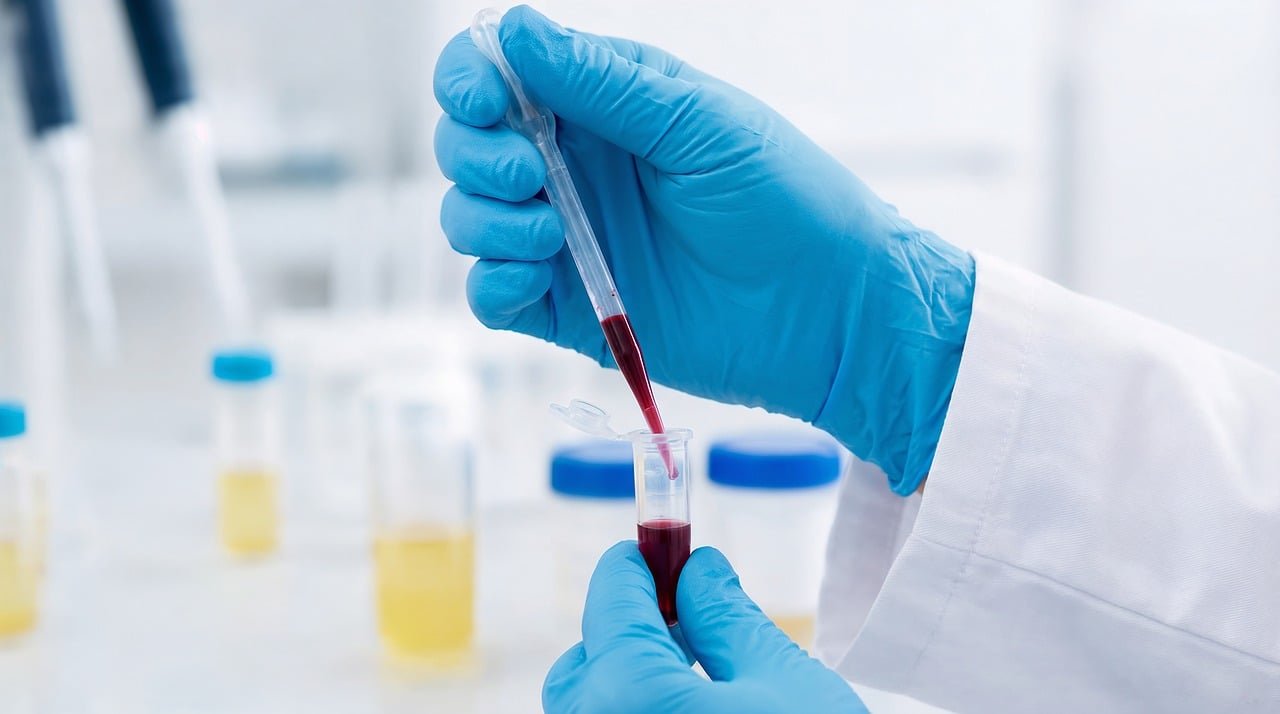
Twenty years ago, futurists such as James Canton argued that biotechnology would become one of the defining industries of the 21st century. The prediction was ambitious: biology would become increasingly programmable, healthcare would become personalized, and entirely new industries would emerge around genetic engineering, synthetic biology, and regenerative medicine.
Looking back today, many of those predictions have materialized.
Gene editing technologies such as CRISPR have transformed biological research. mRNA vaccines demonstrated how quickly new medical technologies can be developed and deployed. Cell and gene therapies are moving from research laboratories into clinical practice. Artificial intelligence is beginning to accelerate drug discovery and biological data analysis.
Yet perhaps the most important development is that biotechnology is no longer just a healthcare story. It is becoming an industrial story.
The convergence of biology, AI, automation, and advanced manufacturing is creating entirely new ways to develop medicines, food, materials, and industrial processes.
Asia Is Becoming a Global Biotech Powerhouse
One of the most significant changes of the past decade is the rise of Asia as a center of biotechnology innovation.
According to McKinsey, Asia expanded its share of the global innovative biopharmaceutical pipeline from 28% to 43% in just five years, surpassing both the United States and Europe. In 2024 alone, Asia contributed more than 85% of global growth in innovative drug pipelines. China and South Korea have been particularly aggressive in scaling innovation, while Japan continues to play a critical role in high-quality research, translational science, and global commercialization.
McKinsey describes Japan as a country characterized by “precision, quality, and global orientation.” The country remains one of Asia’s leaders in FDA-approved novel drugs and has established a strong international reputation in areas such as antibody therapeutics, regenerative medicine, and Alzheimer’s disease research.
In other words, Asia is no longer simply a manufacturing base for pharmaceuticals. It is becoming a source of globally relevant innovation.
Japan’s Bet on Biotechnology
Japan is not leaving this transformation to chance.
The Japanese government has identified biotechnology as one of the country’s strategic growth industries. Through initiatives led by METI and other ministries, Japan is investing in fields such as biopharmaceuticals, regenerative medicine, cell therapy, gene therapy, vaccine technologies, antibody drugs, radiopharmaceuticals, iPS cell technologies, CAR-T therapies
Particularly noteworthy is regenerative medicine, where Japan has established one of the world’s most supportive regulatory frameworks.
Another area attracting attention is biomanufacturing. Deloitte notes that biotechnology is increasingly expected to contribute not only to healthcare but also to solutions for environmental and industrial challenges. Some forecasts suggest that bio-manufacturing could eventually become a market measured in the tens of trillions of yen.
Japan’s aging population provides another structural tailwind. Healthcare spending continues to rise as society grapples with age-related conditions such as cancer, cardiovascular disease, diabetes, and dementia. At the same time, personalized medicine is becoming increasingly important, creating demand for advanced diagnostics and targeted therapies.
But Is This Creating Jobs?
This is the question most job seekers care about.
Based on what we observe as a recruiters, the answer is yes—but with an important caveat.
The biotechnology industry is creating jobs, but not at the explosive pace seen during the peak AI hiring boom.
Instead, growth appears steady and sustainable.
Compared with five or ten years ago, there are noticeably more biotechnology startups, more venture-backed companies, and more specialized positions related to cell therapy, genome engineering, bioinformatics, and laboratory automation.
The market is growing, but it remains relatively specialized.
That means companies are often looking for candidates with very specific expertise rather than hiring large numbers of generalists.
A New Type of Biotech Professional Is Emerging
One particularly interesting trend is the rise of laboratory automation.
Historically, biological experiments were performed manually by researchers. Today, many companies are attempting to transform these processes into automated, reproducible workflows.
Several recent positions illustrate this trend.
One startup sought a Bio-experiment and Lab Automation Engineer with experience in molecular biology, automated liquid handling systems, and Python programming.
Another company, advertised a Lead Automation Scientist position with a salary range of approximately ¥7 million to ¥13 million. The role involved converting cell culture and genome editing protocols into automated production processes. Desired skills included laboratory automation, workflow development, vendor management, QA/QC knowledge, and basic programming.
What is particularly interesting is that these positions combine traditionally separate disciplines: molecular biology, automation engineering, data analysis, software tools, process development
This hybridization is becoming increasingly common throughout biotechnology.
What Skills Are Companies Looking For?
Reviewing recent positions across genome editing, cell therapy, bioinformatics, and bioprocess development reveals several recurring themes.
Technical expertise remains essential:
- Cell culture
- Molecular biology
- Genome editing
- Regenerative medicine
- Bioprocess development
- Bioinformatics
However, companies increasingly value complementary skills:
- Laboratory automation
- Python programming
- Data analysis
- AI-assisted workflows
- Process optimization
- Manufacturing scale-up
- Quality systems and GMP environments
In short, biology alone is often no longer enough.
The strongest candidates are increasingly those who can combine biological knowledge with data, automation, or engineering skills.
A Practical Strategy for Researchers Transitioning from Academia
Many scientists considering a move into industry focus exclusively on large pharmaceutical companies.
While these organizations can offer excellent compensation and stability, competition is intense.
As one Japanese career article notes, research positions at major biotechnology and pharmaceutical companies often attract extremely high numbers of applicants.
For foreign professionals, another challenge is language. While some global organizations operate in English, Japanese language ability often becomes an important differentiator, particularly for positions involving cross-functional collaboration.
This is where startups can provide an attractive alternative.
Many biotechnology startups offer cutting-edge technologies, and greater flexibility regarding language requirements. They also provide opportunities to gain valuable private-sector experience quickly.
For researchers currently in academia, one practical approach may be:
- Enter the industry through a startup or venture company.
- Develop experience in commercial R&D environments.
- Improve Japanese language skills.
- Build expertise in high-growth fields such as regenerative medicine, cell therapy, gene therapy, or laboratory automation.
Whether one later transitions to a larger company or remains in the startup ecosystem depends on personal goals and opportunities.
Areas Worth Watching
If we had to identify a few areas that appear particularly promising in Japan, they would include:
- Regenerative medicine
- Cell therapy
- Gene therapy
- Genome engineering
- Biomanufacturing
- Laboratory automation
- Bioinformatics
- AI-driven drug discovery
CAR-T therapy is another area worth monitoring. Although the underlying concept has existed for decades, commercial approvals only began appearing in recent years. Global forecasts suggest the market could reach tens of billions of dollars by the mid-2030s, making it one of the most promising segments within advanced therapeutics.
***
Biotechnology may not generate headlines as frequently as artificial intelligence, but it is quietly becoming one of the foundational industries of the future.
Japan has made a strategic decision to participate in that future through investments in regenerative medicine, gene therapy, biomanufacturing, and advanced healthcare technologies.
For job seekers, the opportunity is real—but the winning strategy is unlikely to be specialization alone.
The professionals likely to benefit most from the next phase of biotechnology growth will be those who can operate at the intersection of disciplines: biology and data, biology and automation, biology and AI, or biology and manufacturing.
As biotechnology becomes increasingly digital and industrialized, the ability to bridge those worlds may become one of the most valuable career assets of the coming decade.
* Explore current biotech-related job openings
No responses yet